
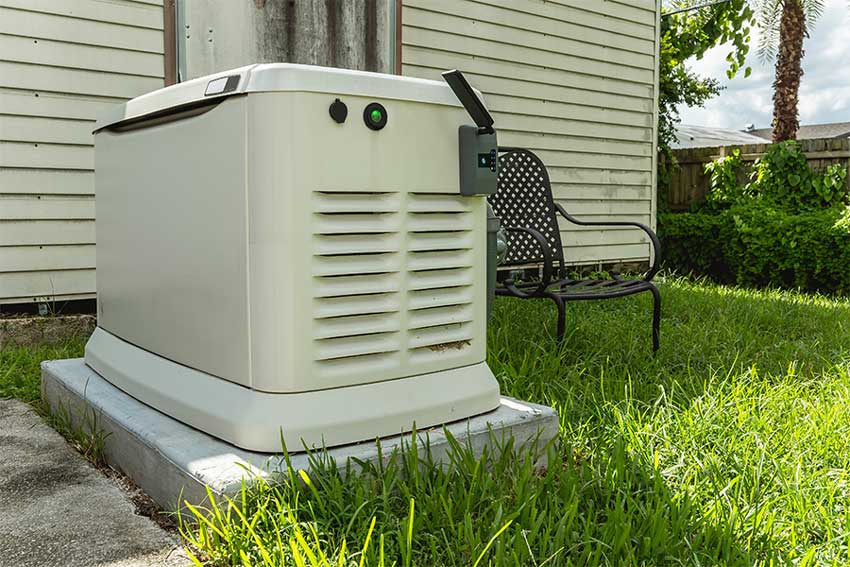
When choosing the right whole-home generator installation in Providence, RI, we’ll first assess our power needs, considering the size and age of our home, and energy-intensive appliances. Next, we’ll evaluate fuel source options like natural gas, propane, or diesel to match our preferences. We’ll work with experts to determine the appropriate generator size and placement for ideal performance and safety. By vetting qualified installers and understanding permitting requirements, we can guarantee a seamless and compliant installation process. To learn more, let’s explore the details.
Assess Your Power Needs
When choosing a whole-home generator, the first step is to assess your power needs. This involves determining how much electricity you’ll need to power your home during an outage.
Consider the size and age of your home, along with the number and type of appliances and devices you need to keep running. Make a list of the crucial items, such as refrigerators, lights, and heating/cooling systems.
This will help you select the right generator size to meet your power requirements. Keep in mind that larger homes and those with more energy-intensive appliances will need a more powerful generator. Additionally, consulting with expert guidance can ensure that you choose a generator that fits your specific household demands effectively.
Consider Fuel Source Options
Once you’ve determined your power needs, the next step is to evaluate the fuel source options for your whole-home generator.
We typically recommend considering the following three fuel types:
- Natural Gas: This is a popular choice as it provides a steady, reliable supply of fuel. Natural gas generators are often the most convenient option, as they connect directly to your home’s natural gas line and automatically start up during a power outage.
- Propane: Propane generators are another viable option, especially if natural gas isn’t available in your area. Propane is stored in an external tank, making it a self-contained system.
- Diesel: Diesel generators are known for their durability and longer runtime, making them a suitable choice for extended power outages. Nevertheless, they do require more maintenance and may be noisier in operation.
Evaluating these fuel source options will help you select the generator that best meets your home’s unique power requirements and preferences. Additionally, choosing a generator with expert repair services ensures long-term performance and reliability during outages.
Evaluate Generator Sizing and Placement
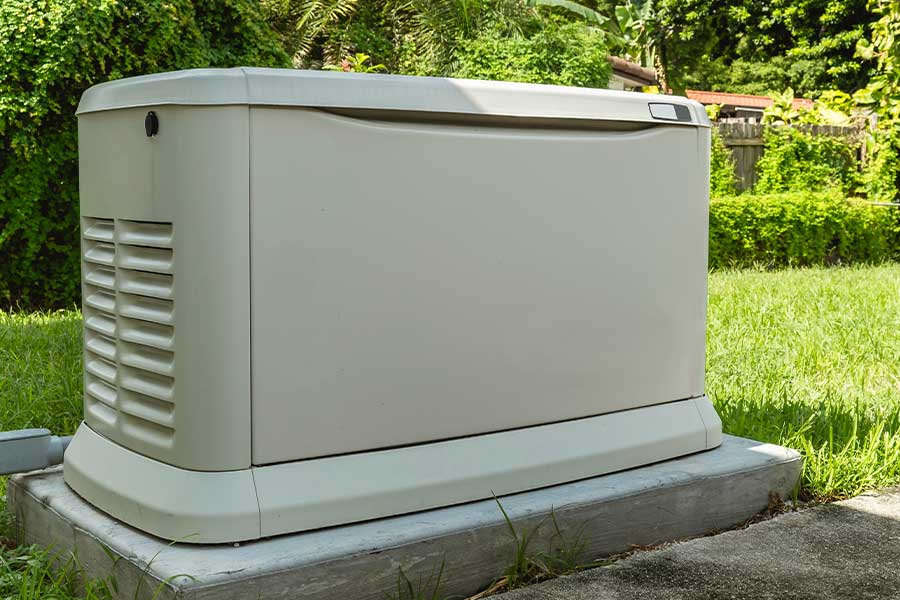
When selecting a whole-home generator, it’s vital to choose the right capacity to meet your power needs. We recommend starting by calculating your home’s total electrical load, including fundamental systems and appliances you want to power during an outage. This will help you identify the appropriate generator size, which is typically measured in kilowatts (kW). Furthermore, consider the placement of the generator, making sure it’s located in an accessible area with proper ventilation and clearance from your home’s exterior. Working with a professional installer can guarantee your generator is properly sized and positioned for peak performance and safety. Additionally, ensure that the generator is compatible with whole-home surge protection to safeguard your appliances from power surges.
Look for Qualified and Licensed Installers
Selecting the right installer is just as crucial as choosing the appropriate generator size and placement. When it comes to whole-home generator installation in Providence, RI, we recommend looking for qualified and licensed professionals.
Here’s what to take into account:
- Licensing and Certification: Verify the installer is licensed, insured, and certified by the manufacturer to perform the installation. This guarantees they’ve the necessary expertise and adhere to local codes and regulations.
- Experience: Look for an installer with extensive experience in whole-home generator systems. They should be able to provide references and demonstrate a track record of successful projects.
- Warranty and Aftercare: A reputable installer will offer a thorough warranty and ongoing maintenance services to make certain the generator continues to function reliably for years to come. Additionally, ensure they understand how to implement proper safety codes to maintain compliance and safety throughout the installation process.
Understand Permitting and Installation Requirements
Before installing a whole-home generator, it’s vital to understand the permitting and installation requirements in your local area.
Every municipality has its own codes and regulations, so it’s important to research the specific guidelines before starting your project. This includes obtaining the necessary permits, verifying the generator’s placement complies with zoning laws, and adhering to safety standards.
Failing to follow these regulations could result in fines, delays, or even having to remove the generator entirely.
We recommend consulting with a licensed and experienced electrician who can guide you through the process and handle all the paperwork. They’ll guarantee your installation is up to code and meets all local requirements, giving you peace of mind and a properly functioning backup power system.
Conclusion
When it comes to whole-home generator installation in Providence, RI, the right choice can make all the difference. By carefully evaluating your power needs, considering fuel source options, and working with qualified, licensed installers, you’re taking the first steps towards ensuring your home is prepared for whatever Mother Nature has in store. But the real question remains – are you ready to take control of your home’s power destiny?